
- Điểm
- 55,446
Vải kỹ thuật là gì?
Ngành dệt may được chia thành quần áo, vải gia dụng và vải kỹ thuật. Quần áo và vải gia dụng (rèm cửa, giấy dán tường, vải bọc nội thất, thảm và vật liệu trải sàn) có vẻ dễ định nghĩa. Do đó, có thể kết luận rằng tất cả các sản phẩm dệt may khác thuộc nhóm vải kỹ thuật. Tất cả các sản phẩm dệt may được thiết kế chủ yếu để phù hợp với chức năng của chúng đều là vải kỹ thuật. Nói cách khác, vải kỹ thuật có thể được định nghĩa là loại vải mà các đặc tính về hiệu suất quan trọng hơn tính thẩm mỹ.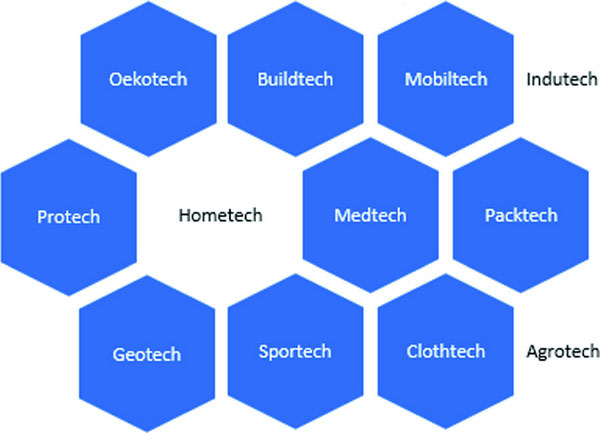
Các sản phẩm dệt kỹ thuật được thiết kế dựa trên tính chất chức năng hơn là tính chất thẩm mỹ. Vật liệu dệt kỹ thuật được thiết kế để có các đặc tính vật lý, cơ học, nhiệt và/hoặc hóa học cao, phục vụ các ứng dụng cụ thể trong các ngành công nghiệp như san lấp mặt bằng, xây dựng, kỹ thuật dân dụng, vận tải, quốc phòng, y tế và chăm sóc sức khỏe. Đôi khi, các thuật ngữ khác như dệt công nghiệp, dệt chức năng, dệt kỹ thuật, dệt hiệu suất cao, v.v. có thể được sử dụng thay cho dệt kỹ thuật.
Phân loại vải kỹ thuật và ứng dụng của chúng:
Việc phân loại các sản phẩm dệt kỹ thuật dựa trên lĩnh vực ứng dụng. Ví dụ, các sản phẩm liên quan đến y tế và chăm sóc sức khỏe thuộc về Medtech, viết tắt của dệt y tế. Có nhiều loại/ngành/danh mục dệt kỹ thuật khác nhau. Dưới đây là 12 ngành dệt kỹ thuật hàng đầu:- Công nghệ nông nghiệp hoặc Dệt may nông nghiệp
- Công nghệ xây dựng
- Clothtech
- Địa kỹ thuật hoặc vải địa kỹ thuật
- Công nghệ gia dụng hoặc Dệt may gia dụng
- Indotech hay Dệt may công nghiệp
- Vải dệt y tế
- Công nghệ di động / Ô tô
- Oekotech
- Công nghệ đóng gói hoặc Dệt may bao bì
- Vải Protech hoặc vải bảo hộ
- Sportech / Vải dệt thể thao
1. Công nghệ nông nghiệp hoặc Dệt may nông nghiệp:
Các loại vải được sử dụng trong nông nghiệp được gọi là vải nông nghiệp . Nó bao gồm các sản phẩm dệt kỹ thuật được sử dụng trong nông nghiệp, làm vườn, lâm nghiệp, chăn nuôi và thủy sản. Tùy thuộc vào ứng dụng, nguyên liệu thô cho các sản phẩm công nghệ nông nghiệp phải có những đặc tính sau.- Khả năng chống chịu ánh nắng mặt trời và thời tiết khắc nghiệt (sương giá, gió, mưa, mưa đá, v.v.)
- Khả năng kháng vi sinh vật
- Tuổi thọ cao và trọng lượng nhẹ
- Khả năng phân hủy sinh học
2. Buildtech:
Các loại vải được sử dụng trong xây dựng và kiến trúc được gọi là vải kỹ thuật xây dựng (buildtech). Lĩnh vực này bao gồm các loại vải kỹ thuật được sử dụng trong xây dựng các công trình tạm thời, công trình kiên cố và các cấu trúc khác. Chúng được sử dụng rộng rãi cho mục đích lợp mái, cách nhiệt và ốp lát, cách âm và chịu lực. Sự tăng trưởng mạnh mẽ trong lĩnh vực này là do nhu cầu về các vật liệu và sản phẩm thân thiện với môi trường, nhẹ hơn, hiệu suất cao và bền vững.Một trong những ưu điểm của việc sử dụng vải dệt trong xây dựng là khả năng tạo ra nhịp lớn không bị cản trở, dễ dàng tháo dỡ và lắp đặt lại theo yêu cầu. Tùy thuộc vào yêu cầu kiến trúc, vải có thể được tạo thành nhiều hình dạng và kiểu dáng khác nhau. Tương tự, vật liệu composite gia cường bằng sợi có thể được làm từ sợi aramid, sợi thủy tinh hoặc sợi carbon để tạo ra các cấu trúc có khả năng chịu lực trên trọng lượng tuyệt vời, độ cứng cao trên trọng lượng và tính linh hoạt trong thiết kế.
Một số yêu cầu về vật liệu như sau:
- Độ bền kéo cao và độ bền xé cao
- Chống biến dạng
- Có khả năng chống giãn nở dưới tác dụng của lực căng.
- Chống gió và nước
- Có khả năng chống phân hủy, đặc biệt khi tiếp xúc với ánh sáng mặt trời.
- Vải ít cần bảo dưỡng
- Chức năng cách âm và cân bằng nhiệt
3. Công nghệ vải hoặc dệt may:
Ngành công nghiệp vải may mặc bao gồm các loại sợi, chỉ và vải dệt được sử dụng làm thành phần kỹ thuật trong sản xuất quần áo, ví dụ như chỉ may, vải lót, bông nhồi và vật liệu cách nhiệt. Vải may mặc là một phần của các thành phần kỹ thuật trong ngành may mặc và giày dép. Một số sản phẩm tiêu biểu là vải lót, khóa kéo, vải thun hẹp, khóa dán, dây giày, vải dù, chỉ may, v.v.Một số yêu cầu về vật liệu như sau:
- Độ bền kéo tốt và độ bền xé cao
- Chống biến dạng
- Độ đàn hồi tốt
- Có khả năng chống giãn nở dưới tác dụng của lực căng.
- Độ ổn định kích thước tốt
- Khả năng chống mài mòn tốt
- Độ bền đường may tốt
4. Vật liệu địa kỹ thuật hoặc vải địa kỹ thuật:
Tất cả các loại vải (vải dệt, vải không dệt và vải dệt kim) có thể cung cấp một loạt các chức năng chính như nâng đỡ, thoát nước và phân tách ở hoặc dưới mặt đất đều thuộc loại vải địa kỹ thuật. Vải địa kỹ thuật là một phần của các sản phẩm địa công nghệ. Vải địa kỹ thuật là những tấm liên tục được làm từ các sợi hoặc chỉ dệt, không dệt, dệt kim hoặc liên kết bằng đường khâu. Các tấm này mềm dẻo và thấm nước, và thường có vẻ ngoài giống như vải. Vải địa kỹ thuật được sử dụng cho các ứng dụng phân tách, lọc, thoát nước, gia cố và kiểm soát xói mòn. Hơn nữa, vải địa kỹ thuật là một phần của họ vật liệu địa tổng hợp.Vì vải địa kỹ thuật là vật liệu dệt có khả năng thấm nước, chúng được sử dụng kết hợp với đất nền, đá, đất và các vật liệu kỹ thuật địa chất để tạo nên cấu trúc hoặc hệ thống cụ thể. Vật liệu dệt này giúp tăng độ ổn định của đất, giảm xói mòn do nước và hỗ trợ thoát nước, từ đó cải thiện đặc tính của đất. Các vật liệu này được cấu tạo thành các loại vải như thảm, lưới, tấm, dải và tấm nhựa.
Một số yêu cầu về vật liệu như sau:
- Thấm nước
- Độ bền và mô đun cao
- Duy trì độ cứng và ổn định để chịu được sức căng, áp lực và các lực tác động.
- Chống rách và thủng
- Linh hoạt
- Khả năng chống mài mòn cao
- Chống chịu được nước ngầm bị ô nhiễm
- Chống lại sự tấn công của nấm mốc và sự mục nát.
- Chống tia cực tím
- Có thể phân hủy sinh học
- Độ bền tốt
5. Đồ gia dụng hoặc Dệt may gia dụng:
Ngành này nghiên cứu các thành phần dệt kỹ thuật được sử dụng trong sản xuất đồ nội thất, hàng dệt gia dụng và thảm trải sàn. Một số ví dụ về các sản phẩm này là lớp lót thảm, các thành phần của nệm, rèm cửa, đồ chơi nhồi bông, vải bọc nội thất, v.v.Một số yêu cầu về vật liệu như sau:
- Độ bền và mô đun cao
- Độ bền tốt
- Tính linh hoạt và khả năng phục hồi đàn hồi tốt
- Nén và phục hồi
- Khả năng chống mài mòn cao
- Chất liệu tốt và độ rủ đẹp.
6. Indutech hay Dệt may công nghiệp:
Indutech includes technical textile products used in the manufacturing sector. It deals with the products used in filtration, conveying, cleaning and other industrial applications. Some of the examples of indutech products are filters, conveyor belts, ropes and cordages, abrasives products, etc. Filtration is a process of separating solid particles from liquids and gases by passing them through the filter media. Filtration is divided into two major categories: dry filtration for air, gas and particle and wet filtration for liquids. Air filtration plays an important role in improving air quality and cleaner environment. Water filtration is one of the ways of improving water quality and safety.Some of the materials requirements are as follows:
- High strength and modulus
- Good durability
- Flexibility and good elastic recovery
- Good thermal and chemical resistances
- High filtration efficiency and low pressure drop
- Good dimensional stability
- Good bursting strength
- Good abrasion resistance
- Resistant to UV radiation
7. Medical Textiles:
Textile materials developed and used in medical and hygiene applications fall under medtech sector. Medical textiles can be considered as a part of the wider group of technical textiles. Growth in the medtech sector is mainly due to increasing innovation in medical and textile fields and increasing demand for newer materials with better functionality. Medtech products are divided into four different areas: non-implantable textile materials, implantable textile materials, extracorporeal devices, and healthcare and hygiene products. Some of the example of these products are bandages, absorbent gauges, vascular grafts, heart valves, artificial kidney, liver, surgical gowns, caps, gloves, masks, aprons, personal protective equipment etc.Some of the advantages of medtech products are as follows:
- Prevention of hospital infections and cross infections
- Breathability functions
- Higher comfort level, e.g., for surgical gowns
- Engineered to have high barrier to blood and other body fluids
- Compatibility with various types of sterilization techniques
- Cost-effective
- Biocompatible and sterile
- Anti-allergenic and antibacterial
- Good resistance to alkalis, acids and microorganisms
- Good dimensional stability and elasticity
- Good strength and durability
- Free from contamination or impurities
- Absorption/repellency and air permeability
8. Mobiltech / Automobiles:
Transportation textiles or mobiltech can be defined as a technical textile material that has been developed for manufacturing all types of transportation, such as all road vehicles, trains, marine vehicles and aeroplanes. Mobiltech products for the automotive industry can be broadly classified into two categories, viz. visible and concealed components. Visible components include seat upholstery, carpets, seat belts, headliners, etc. Concealed components include noise vibration and harness components, tyre cords, composite reinforcements for automotive bodies, rail bodies and components, aircraft bodies, wings, engine components, boat and yacht components, bodies etc. There is a variety of functions that each transportation textile can provide. It includes comfort and style for the user, protection against impact, protection against UV rays, weight-saving factors in the aircraft sector, etc..- Resistance to sunlight and UV radiation
- Resistance to abrasion
- Good strength and modulus,
- Good dimensional stability
- Reduced flammability and heat stability
- Resistant to mildew
- Ease to clean

9. Oekotech:
Any textile product which is produced in eco-friendly way and also processed under eco-friendly limits come under oekotech. Oekotech deals with the technical textiles products used for environmental protection. Oekotech application segment includes concepts in environmental protection, waste disposal and recycling processes. It refers to the use of geosynthetic products to secure landfills against leakage of municipal or hazardous waste.Some of the materials requirements are as follows:
- Permeable
- High strength and modulus
- Good dimension stability
- Good abrasion resistance
- Resistant to fungal attack and rotting
- Resistant to UV radiation
- Good durability
10. Packtech or Packaging Textile:
Packtech deals with the technical textiles products used for packaging applications. Packtech products include the following: polyolefin woven sacks, flexible intermediate bulk container, leno bags, jute hessian sacks, tea bags (filter paper), soft luggage, absorbent meat pad, etc.Some of the materials requirements are as follows:
- High strength and modulus
- Good dimension stability
- Good abrasion resistance
- Resistant to fungal attack and rotting
- Resistant to UV radiation
- Good durability
- Good flexibility
11. Protech or Protective Textiles:
Protech can be defined as technical textile materials, apparel and equipment that are used for protecting personnel and equipment from various environmental and industrial hazards. The variety of protective functions that needs to be provided by different textile products is considerable and diverse. It includes protection against cuts, abrasion, ballistic and other types of severe impact including stab wounds and explosions, fire and extreme heat, hazardous dust and particles, nuclear, biological and chemical hazards, high voltages and static electricity, foul weather, extreme cold and poor visibility.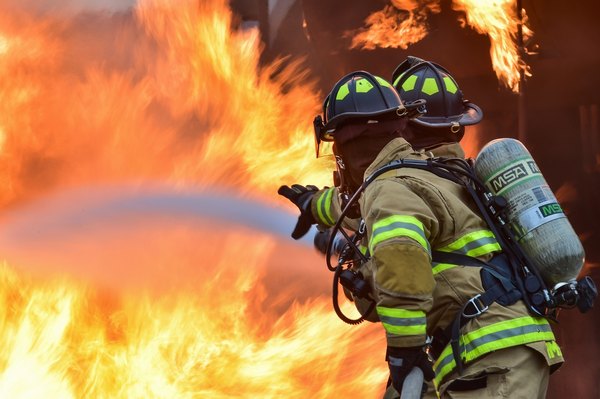
You may also like: Application of Textile Materials for Protective Textile
Some of the material requirements are as follows:
- High strength and modulus
- Good dimension stability
- Good durability and flexibility
- Permeable and breathable
- Lightweight and low bulk
- Good handle and drape
- Water repellent and waterproof
- Windproof and snow shedding
- Heat and flame resistant
- Good impact and shock resistant
12. Sportech / Sports Textiles:
Sportech deals with technical textile products used for sports purposes. Some of the sports textiles products are artificial turf, high-performance swimwear and sportswear, parachute fabrics, sail cloth, sport shoe components, sport composites, etc.
Some of the materials requirements are as follows:
- High strength and modulus
- Good dimension stability
- Good durability and flexibility
- Permeable and breathable
- Quick drying
- Good elasticity
- Water repellent and windproof
Tài liệu tham khảo:
- Từ sợi tự nhiên đến vải dệt thông minh: Những tiến bộ trong sản xuất, công nghệ và ứng dụng. Biên tập bởi Asis Patnaik và Sweta Patnaik.
- Kỹ thuật Dệt may – Giới thiệu (Biên tập bởi Yasir Nawab)
- Từ sợi đến vải, bởi Bev Ashford
- Công nghệ dệt may: Nhập môn, ấn bản thứ hai, của Thomas Gries, Dieter Veit và Burkhard Wulfhorst.
- Sợi dùng trong dệt may kỹ thuật, Biên tập viên: Sheraz Ahmad, Abher Rasheed, Yasir Nawab